
3 hr
Seville Tapas Crawl
Journey through four authentic neighborhood bars sampling traditional Andalusian tapas with local drinks
Reserve
Hand-picked by our editors — only the best 5 experiences from 18 reviewed.
Verified partners for every tour, free cancellation where available, and instant confirmation on every booking.
3 hr
Journey through four authentic neighborhood bars sampling traditional Andalusian tapas with local drinks
Reserve
3 hr 30 min
Savor authentic Andalusian flavors at four handpicked venues while exploring Seville's storied streets
Reserve
2 hr 30 min
Taste authentic tapas and Spanish wine while exploring Seville's local food scene with an expert guide
ReservePrices from verified partners. Availability updates in real time at checkout. Free cancellation policies apply where shown.
The landmarks, rooms, and views travelers on this tour remember — all visible on a single visit.
Enjoy views of the iconic tower while strolling between bars.
Wander through the narrow streets of the former Jewish quarter.
Visit historic venues serving regional delicacies since the 19th century.
The central hub where many culinary adventures begin.
A pleasant walk often included to digest between courses.
The guided seville tapas food tour is the superior choice for those prioritizing cultural immersion and expert narration, while the DIY crawl provides unmatched freedom for spontaneous explorers. Most visitors who experience both report that the structured path offers a more educational look at local gastronomy.
| Feature | Top pick Guided Tour | DIY Crawl |
|---|---|---|
Structure and Planning |
Pre-arranged itinerary and reservations | Fully independent planning required |
Social Experience |
Group engagement with fellow travelers | Private group or solo dining |
Local Insight |
Guided by knowledgeable culinary experts | Self-guided via apps or guidebooks |
Cost Control |
Fixed price for all food included | Pay as you go per bar |
Flexibility |
Fixed schedule and start time | Explore at your own pace anytime |
Learning Opportunity |
Deep dive into history and ingredients | Surface level discovery by taste |
| See tickets → |
Verdict: Opt for seville tapas food tour tickets to streamline your discovery, or choose the independent route if you prefer the flexibility offered by DIY seville tapas food tour tours when navigating the city's lively culinary landscape.
Choose your ticket, select your date, and reserve in under two minutes. Secure checkout handled by our verified partner.
Instant confirmation by email, with a mobile voucher you can save offline. No printing, no queuing at a collection desk.
Arrive at the entrance, show your voucher on your phone, and walk in. Most tickets include priority or skip-the-line access.
Practical details for your visit straight from our verified partners — hours, access, rules, and how to get there.
Center of Seville
Primary gathering point for city center tours
Use the T1 tram line for stops near the historic city center.
The city center is best explored on foot to find hidden culinary gems.
Casual and comfortable attire is recommended for a seville tapas food tour. Walking shoes are essential due to the cobblestone streets of the city center.
Participants should carry only small bags as space in traditional taverns is limited. Avoid bringing large backpacks or suitcases to ensure ease of movement.
Photography is permitted in public areas during your seville tapas food tour. Always request permission from staff before taking photos inside intimate private bars.
Most routes involve walking on historic surfaces which may present challenges for mobility aids. Contact your provider to verify if your chosen Seville food experience accommodates specific accessibility needs.
Mobile phones are permitted for capturing memories of your local culinary journey. Use of devices should remain respectful of other guests and local staff.
Families are welcome on most excursions, though late-evening departures may be less suitable for young children. Verify the age policy of your specific seville tapas food tour before booking.
Tasting menus are pre-selected by the guide, making these local gastronomy walks ideal for trying authentic regional specialties. Inform your operator of any food allergies or dietary restrictions during the reservation process.
Pets are generally not permitted inside the establishments visited during these food experiences. Service animals should be cleared with the tour operator in advance.
The 0 EUR entrance fee applies to independent walking; however, professional seville tapas food tour packages include pre-paid tastings. Always arrive at the designated meeting point at least 10 minutes before the scheduled start time.
Best time to go, insider tips, nearby landmarks, and the cancellation fine print — flip through to skim what matters to you.
How crowds, weather, and events shift across the year.
March to May offers mild weather perfect for walking the city center. This season brings the scent of orange blossoms to every street.
June to August involves high temperatures, so evening food experiences are recommended. Locals often dine late to avoid the daytime heat.
September to November is a peak season for visitors seeking pleasant temperatures. This is an ideal time for a seville tapas food tour.
December to February provides a quieter atmosphere for tasting local seasonal dishes. Temperatures are cool but suitable for indoor dining.
Small details that turn a good visit into a great one.
Secure your spot on a seville tapas food tour early as popular evening slots sell out quickly during weekends.
Eat like a local by embracing the later dining hours typical of this region.
Pair your food with local sherry or orange wine for a complete tasting experience.
Use the expertise of your leader to find authentic spots for your remaining days in the city.
Leave the heels behind and opt for supportive shoes to manage the extensive city center pavement.
Non-bookable sights within a short walk — free to visit, easy to pair.
A grand Gothic cathedral featuring the iconic Giralda bell tower.
An ancient royal palace famous for its intricate Mudejar architecture.
A monumental plaza showcasing regional tiles and a scenic canal.
The primary green space in the city with lush botanical paths.
Flexible, no hidden fees.
Full refunds are available for cancellations made within the specified provider window. Please refer to your specific booking confirmation for exact cut-off times.
Hand-picked options within walking distance — pick a district for vibe, or a specific hotel for convenience.
Historic building offering high-end amenities near the city center.
Charming hotel located in a restored 19th-century residence.
Historical neighborhood ideal for food lovers seeking atmosphere.
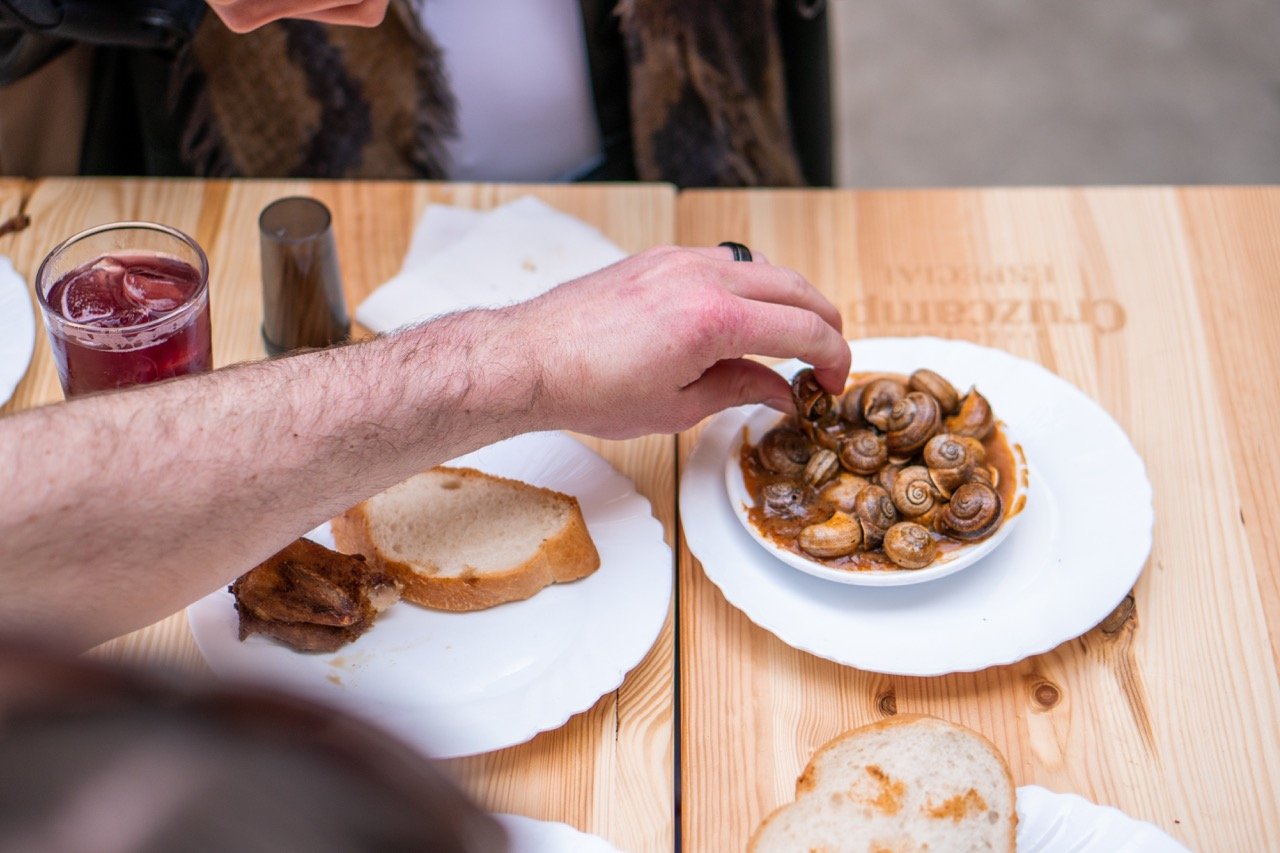
Sevillanos eat standing up. The city's bar culture predates the 1930s, when sidewalk counters served wine and a complimentary tapa—originally a slice of jamón draped over the glass to keep flies out. That improvised lid evolved into a culinary vernacular: small plates designed to stretch a glass of manzanilla across three or four establishments in a single evening. Modern Seville tapas food tours retrace those vernacular routes, moving through quarters where zinc counters still anchor neighborhood life. The Arenal district, wedged between the bullring and the Guadalquivir, holds the highest density of traditional tascas. Proprietors fry pescaíto at elbow-height grills, plate espinacas con garbanzos in earthenware cazuelas, and slice jamón ibérico de bellota from legs clamped to marble counters. Triana, across the river, layers Moorish spice memory into its recipes: albóndigas simmered in saffron broth, berenjenas fritas con miel de caña. Santa Cruz's medieval alleys conceal bodegas where flor-laced fino is poured from barrels stamped with cooperage marks dating to 1890. Guided food experiences in Seville decode the unwritten protocols. Locals order by gesture—two fingers for a pair of montaditos, a nod toward the jamón leg—and leave shrimp shells on the floor, a visual tally the bartender sweeps hourly. Guides select bars where the kitchen still makes salmorejo by hand, grating tomatoes against a box grater until pulp and skin separate, then emulsifying the mixture with Picual olive oil from the Jaén highlands. Each stop introduces a single specialty: pavías de bacalao at one counter, carrillada de cerdo at the next, ending with tocino de cielo, the convent-born egg custard that doubles as both dessert and digestif. Timing matters. Lunch service peaks between 14:00 and 16:00, when office workers claim counter space and plates circulate in rapid succession. Evening crawls begin near 20:00, synchronized with paseo foot traffic and the first pour of Cruzcampo. The city's tapas tradition remains transactional—bars survive on volume, not lingering—but guided tours negotiate the pace, reserving counter spots and translating menu boards scrawled in Andalusian shorthand.
"Sevillanos eat standing up, stretching a glass of manzanilla across three or four establishments in a single evening."
A step-by-step walkthrough of the visit — what you'll see, how long each stage takes, and the details that matter.
You begin in the Arenal quarter, where your guide pushes through a curtain of hanging jamón legs into a narrow bodega. The bartender slides two small plates across zinc: solomillo al whisky, pork loin flambéed tableside, and a cazuela of spinach with chickpeas still bubbling from the stove. You eat standing, one foot braced against the bar rail, while your guide explains the provenance of the ham overhead—acorn-finished pigs from the Huelva dehesa. The second stop sits three blocks west, a corner tasca where the kitchen fries sardines to order. You watch the cook dredge each fish in chickpea flour, then drop it into olive oil heated to exactly 180 degrees. The result arrives on brown paper, bones soft enough to eat whole. Your guide orders manzanilla, the coastal sherry whose salinity mirrors the fried fish. By the third bar, you have crossed into Triana. Here the menu shifts: slow-cooked oxtail, Moorish-spiced meatballs, a plate of local cheese paired with quince paste. Your guide points out the cooperage stamps on the sherry barrels, dates from the 1890s still legible under decades of cellar dust. You finish with tocino de cielo, the eggy custard invented by cloistered nuns to use surplus yolks after starching altar linens with whites.
The city center is accessible daily from 00:00–23:59, though dining establishments follow specific schedules.
Most operators provide vegetarian options if notified at least 24 hours in advance.
While the walking route is free (0 EUR), professional food tours require purchasing tickets for tastings and guide services.
Most experiences last between 3 to 4 hours to ensure a relaxed pace.
Yes, many providers welcome families; check individual tour details for age recommendations.
Private tours are often available; verify options on your specific booking platform.
The best arrival window for traditional culture is 12:00–22:00.
Photography is generally welcome, though guests should respect the privacy of bar staff and patrons.
Most food tours operate rain or shine; check your specific cancellation policy for details.
Book your seville tapas food tour tickets directly through the provider links provided on this page.