Seville Food Tour
Culinary Guide

Seville Food Specialties

Seville's culinary identity runs deeper than tourism menus. The city's food specialties reflect centuries of Moorish influence, agricultural abundance from the Guadalquivir valley, and a tapas culture that turns eating into a social ritual practiced daily by locals.

9 min read Updated 2026-09-28 Fact-checked
Seville Food Specialties

Quick answer

Seville food specialties center on slow-cooked stews, fried fish, cured meats, and the tapas tradition that defines Andalusian dining culture. The city's signature dishes include rabo de toro (oxtail stew), pescaíto frito (fried fish), jamón ibérico from nearby Jabugo, and salmorejo—a cold tomato soup thicker than gazpacho. Peak authenticity happens during lunch service between 13:00 and 15:00, when locals fill neighborhood bars and family-run taverns.

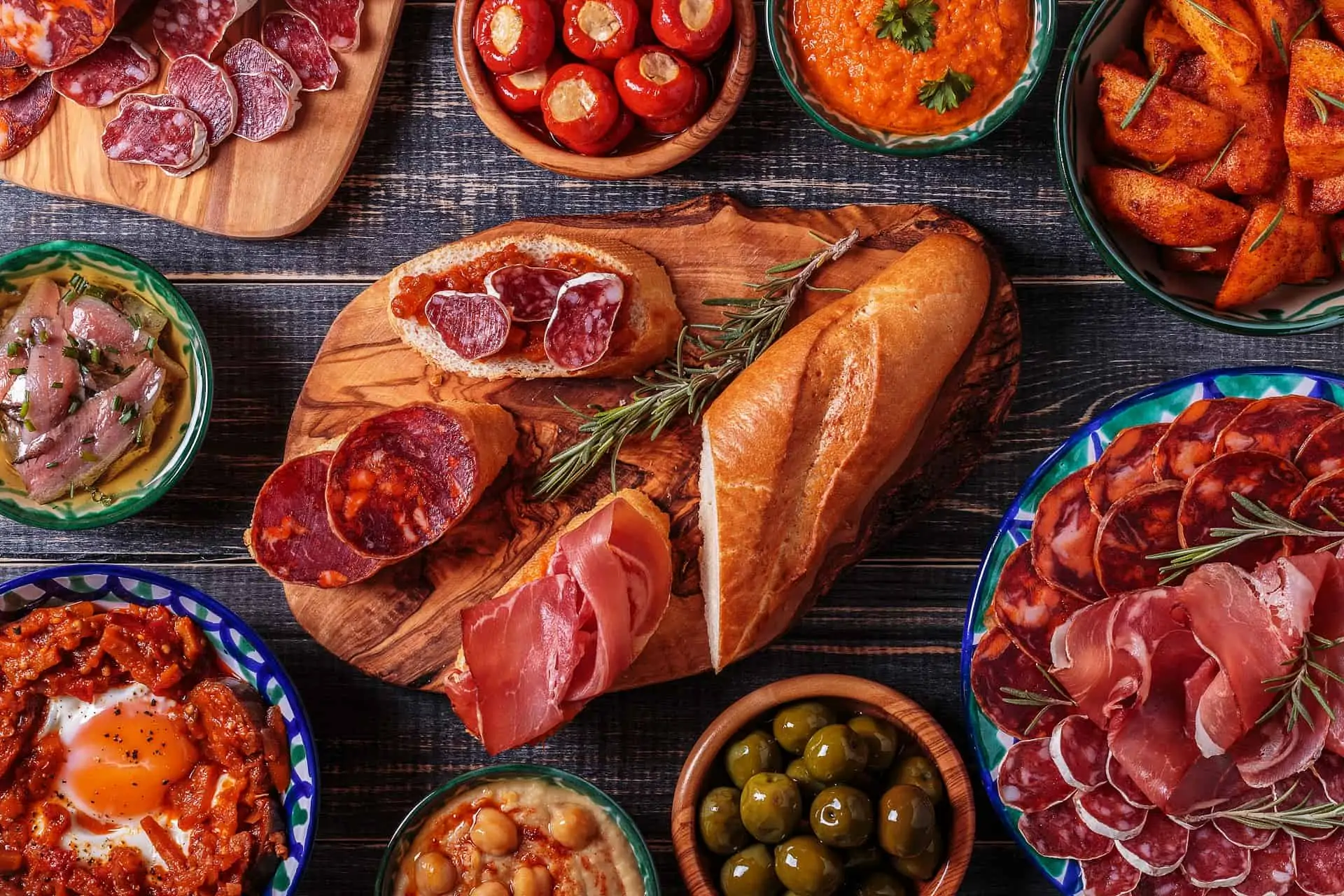
Seville produces no single dish that tourists queue for—it offers a culinary system built on seasonal ingredients, Moorish spice legacies, and the social architecture of tapas bars. The city's food culture resists the museum treatment because residents still practice it. The Moorish occupation left technical fingerprints: slow-braising methods that turn tough cuts tender, the use of cumin and coriander in meat dishes, and honeyed pastries that appear during festivals. Rabo de toro emerged from bullfighting tradition—oxtail braised with red wine until the meat pulls from the bone. Espinacas con garbanzos, a stew of spinach and chickpeas seasoned with cumin, shows North African influence in every spoonful. These dishes anchor menus at traditional taverns, not because they photograph well, but because they require skill and time. Fried fish demonstrates Seville's practical relationship with the Guadalquivir River and Atlantic coast. Pescaíto frito—small fish dusted in chickpea flour and fried in olive oil—arrives at the table in paper cones, salted and ready. The technique is older than the tourism industry. Neighborhood bars serve it alongside manzanilla sherry, a pairing locals consider non-negotiable. Cold soups separate summer visitors from year-round residents. Salmorejo, thicker and richer than gazpacho, blends tomatoes with stale bread, garlic, and olive oil into a consistency closer to sauce than soup. It gets topped with diced jamón and hard-boiled egg. Gazpacho appears in thinner, more acidic versions across the city, each bar defending its ratio of vinegar to vegetable. The tapas ritual structures Sevillian evenings. Locals move between bars, ordering small plates that cost two to four euros, standing at counters, talking over wine. This is not appetizer culture—it is dinner, stretched across neighborhoods and hours. The seville food specialties guide embedded in this movement includes montaditos (small open sandwiches), pringá (slow-cooked meat on bread), and carrillada (braised pork cheek). Tourists who sit for full table service miss the pattern entirely.

“The city's food culture resists the museum treatment because residents still practice it.”
Timing

The Best Time to Experience Seville Food Specialties

The best arrival window is 13:00–15:00, which aligns with the peak period for authentic lunch service and fresh tapas. Timing your arrival within this daily window ensures access to the freshest preparations at local establishments.

Spring (March–May)

Moderate to High

Mild and pleasant, 20°C–25°C

This season offers ideal temperatures for outdoor dining before the summer heat. Establishments are lively as local life moves to the streets.

Summer (June–August)

High

Very hot, often exceeding 35°C

Dining shifts to later in the day due to intense midday temperatures. Establishments focus on cold refreshments and lighter plates during this period.

Autumn (September–November)

Moderate

Warm to mild, 18°C–28°C

The weather remains comfortable for exploring various culinary spots. This season provides a balanced atmosphere for experiencing local food specialties.

Verdict: The best arrival window is 13:00–15:00, ideally during the mild temperatures of April, May, or October.

What to see

Essential Seville Food Specialties to Discover

Seville's culinary landscape is defined by traditional tapas that highlight local Andalusian ingredients and Moorish influences. Exploring these specialties offers a direct connection to the city's gastronomic heritage.

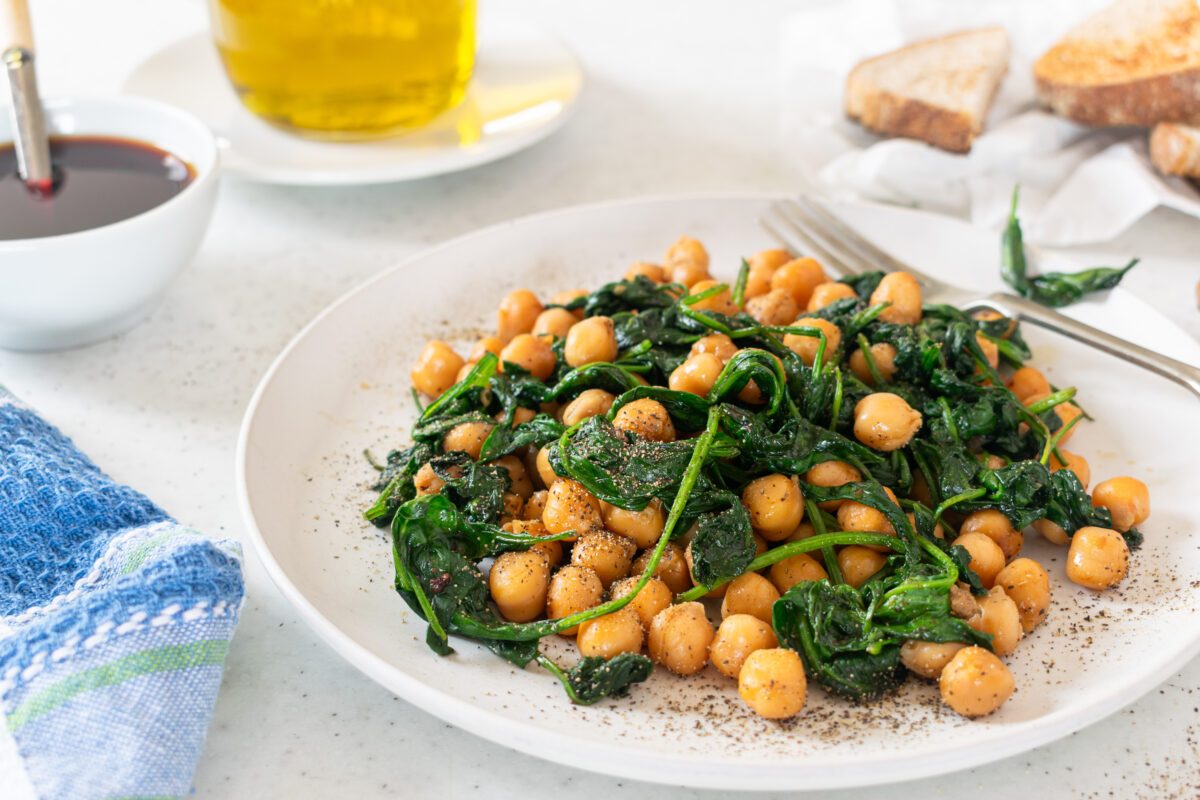
Espinacas con Garbanzos

Espinacas con Garbanzos

This dish consists of spinach and chickpeas sautéed with garlic, cumin, and fried bread crumbs. It reflects the deep historical influence of Moorish cuisine on the region.

Look for establishments serving this in traditional clay cazuelas.
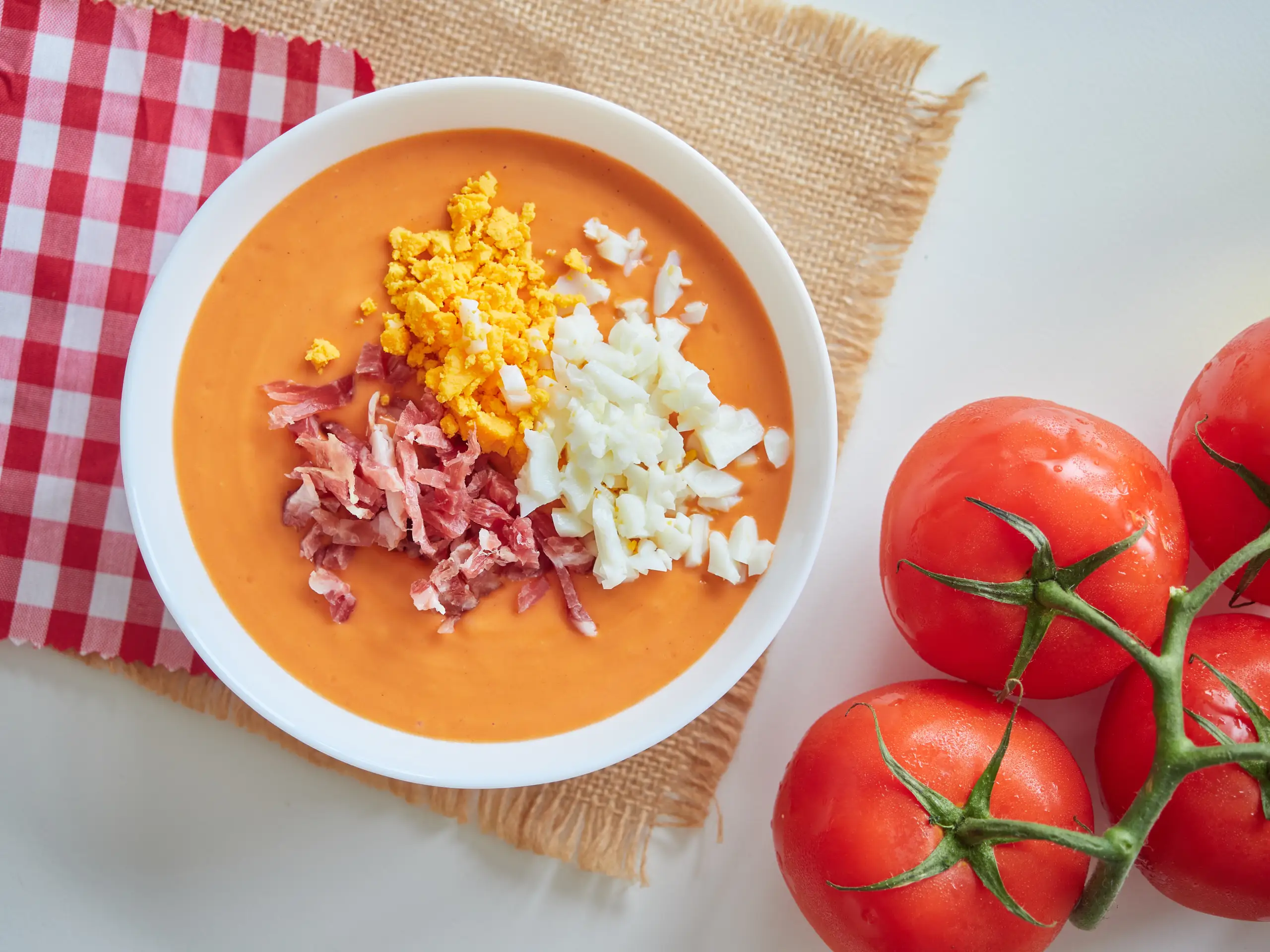
Salmorejo

Salmorejo

A thick, cold tomato cream soup made with bread, garlic, olive oil, and vinegar. It is typically garnished with diced hard-boiled egg and serrano ham.

Enjoy it as a starter during the warmer months.

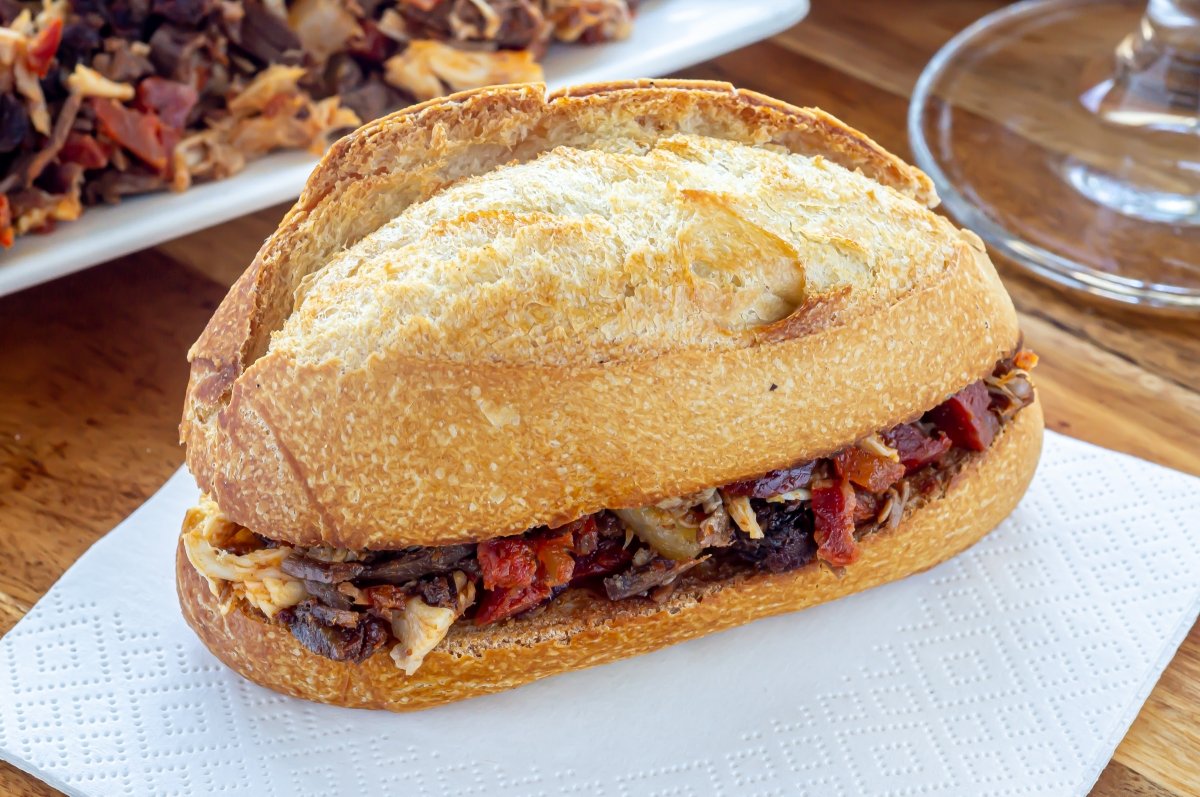
Pringá

Pringá

A slow-cooked mixture of pork, chorizo, and morcilla that is shredded and often served as a montadito or tapa. It is a staple of hearty Sevillian home cooking.

Try it inside a toasted crusty bread roll.

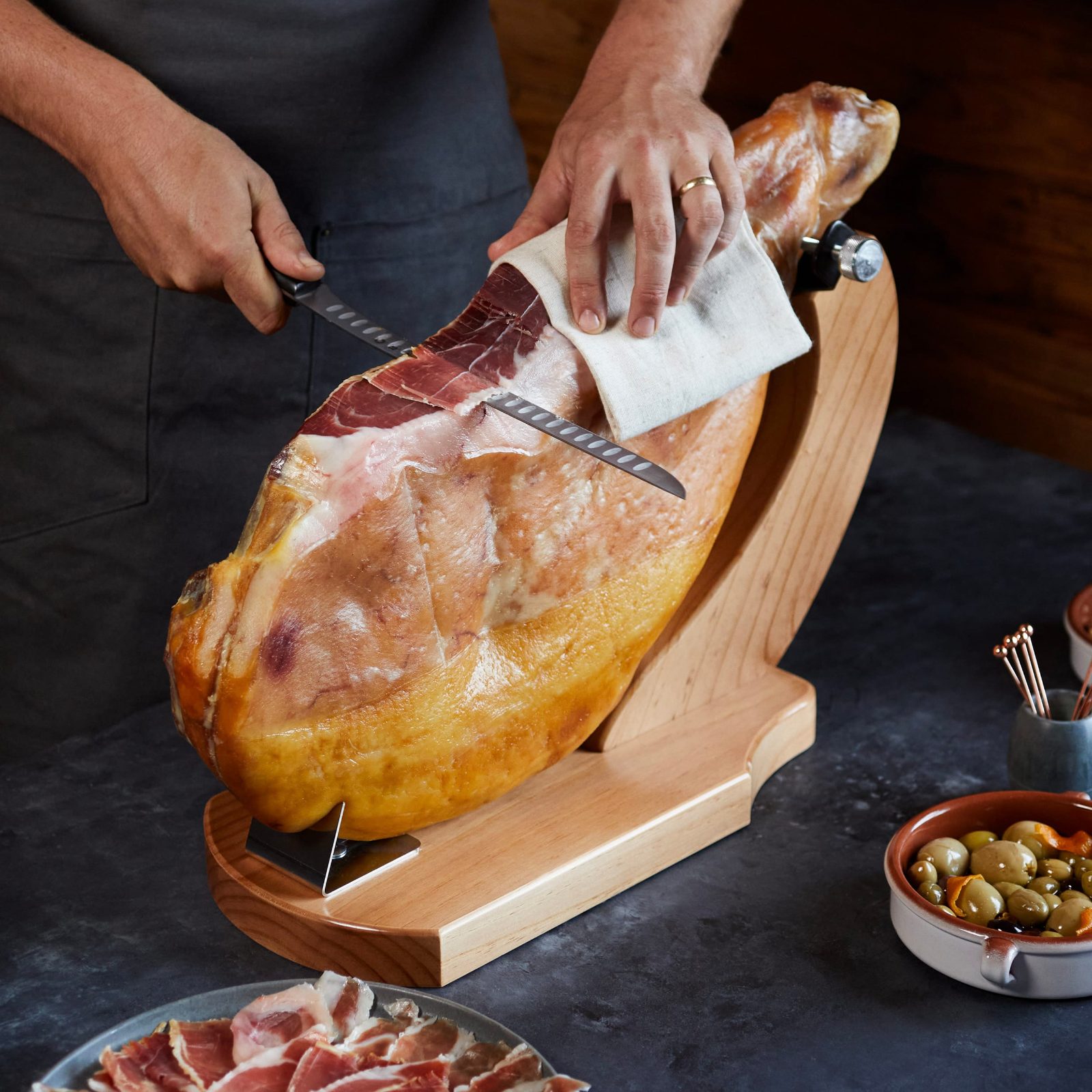
Serrano Ham

Serrano Ham

Cured mountain ham from the nearby Sierra Morena region, valued for its complex flavor and texture. It is hand-carved in thin slices and served at room temperature.

Request hand-carved slices rather than machine-cut portions.

Etiquette

Etiquette for Sampling Seville Food Specialties

Seville's dining culture values a relaxed pace and social connection. Observing local customs helps you blend in at tapas bars and traditional restaurants.

Do

  • Stand at the bar for quick tapas and lower prices
  • Order wine or beer when sampling tapas at local bars
  • Share dishes when dining with others, as portions encourage it
  • Leave small change on the bar after drinks or tapas
  • Take your time during seated meals, especially at lunch
  • Greet staff when entering and leaving smaller establishments

Don't

  • Don't rush through meals or expect fast table service
  • Don't tip more than 5-10% in cash; large tips aren't expected
  • Don't sit at tables if you only want a quick drink
  • Don't ask for the check immediately after finishing your meal
  • Don't expect tapas bars to have extensive seating during peak hours
Food & drink

Where to Find Authentic Seville Food Specialties

Navigating the culinary landscape of Seville involves choosing between historic central tabernas and neighborhood spots located slightly outside the primary tourist corridors. Prioritizing establishments that focus on seasonal ingredients ensures a connection to local traditions.

El Rinconcillo

€€

restaurant

Located near Plaza de San Leandro, this establishment dates back to 1670 and serves classic tapas in a traditional setting.

Casa Morales

€

restaurant

Situated on Calle García de Vinuesa, this venue is known for its large clay wine vats and authentic atmosphere away from the immediate cathedral crowds.

Mercado de Triana

€

market

Found across the Isabel II Bridge in the Triana neighborhood, this market offers fresh local produce and small stalls for immediate consumption.

Bodeguita Romero

€€

restaurant

Located near the Plaza Nueva, this spot is recognized for its pringá montadito and consistent local following.

Facts

Surprising Facts About Seville Food Specialties

The culinary landscape of Seville reflects a layered history where Moorish, Jewish, and Christian traditions converged over centuries. Understanding these origins provides essential context for the ingredients and techniques defining local specialties today.

1.

8th-century Moorish influence

The Umayyad conquest introduced irrigation techniques, citrus trees, and spices like saffron and cumin, which remain foundational to Sevillian flavor profiles.

2.

1492 Jewish dietary traditions

Sephardic Jewish influence persists in the usage of dried fruits, nuts, and cod, particularly in dishes adapted during the periods of religious transition.

3.

Bitter Seville oranges

Originally cultivated by Moors for ornamental purposes, these oranges are now a primary export for marmalade production after being integrated into local dessert recipes.

4.

Roman legacy in olive oil

The Roman Empire established Baetica, a region encompassing Seville, as a primary provider of olive oil to Rome, a trade that continues to define the local agricultural economy.

5.

Fried fish techniques

The tradition of coating fish in flour and frying it in olive oil traces back to Sephardic Jewish cooking methods, now popularized as a staple in local bodegas.

6.

Al-Andalus sugar production

Moorish agronomists introduced sugar cane to the Guadalquivir Valley, leading to a long-standing history of convent-made sweets and pastries that incorporate almonds and honey.

Book

Check availability

Frequently asked

Frequently asked questions about seville food specialties

Everything you need to know about seville food specialties

What are the most famous seville food specialties?

The iconic seville food specialties include gazpacho, espinacas con garbanzos, and slow-cooked carrillada. These traditional dishes highlight the rich agricultural heritage of the region. Visitors often seek out these flavors during their stay to understand the local culture. Exploring the city's culinary landscape offers a deep dive into Mediterranean ingredients.

When is the best time to explore local culinary traditions?

The best arrival window is 13:00–15:00 for authentic lunch service and fresh tapas. Visiting during these hours ensures you encounter the freshest seasonal offerings at local spots. Most establishments prioritize this timeframe for their primary daily service. Planning around this window helps you avoid disappointment during your culinary journey.

Are there entrance fees to enjoy Andalusian gastronomy?

There is an entrance fee of 0 EUR because these culinary categories represent local food culture rather than a physical venue with tickets. You only pay for the specific items you order at each establishment. This allows for flexible exploration of various flavors throughout the city. No entry passes are required to participate in the local dining scene.

Can I experience traditional tapas with children?

Yes, families are welcome at many establishments throughout the city where you can sample traditional recipes. Local eateries often provide a relaxed atmosphere suitable for visitors of all ages. Many of these seville food specialties are approachable and enjoyed by children as well. It is a great way to introduce younger travelers to new cultural experiences.

What is a common mistake when searching for authentic dishes?

A common mistake is dining during off-peak hours when kitchens may be closed or limited in their selection. Some travelers overlook the importance of local timing, which directly impacts the quality of the food. Always check the operational patterns of local venues to ensure you are visiting when they are prepared to serve. Understanding these logistics enhances your ability to taste the best regional cuisine.

How do I locate the best authentic establishments?

To find the highest quality traditional fare, look for places frequented by residents rather than those in tourist-heavy zones. These spots often highlight the freshest ingredients and authentic preparation methods. Asking for seasonal recommendations can also lead you to hidden gems. Engaging with local establishments provides the most genuine insight into seville food specialties.

Do I need reservations for a Seville food tour?

While many casual bars do not require advance notice, joining a guided culinary experience can simplify logistics. Such tours often handle the selection process and provide context for each dish. If you prefer independent exploration, you can simply walk into most traditional bars. Always verify if a specific, popular venue requires a booking for evening service.

Keep reading

More guides & pages