English| EUR
Suggested for you
More currencies
Choose a language
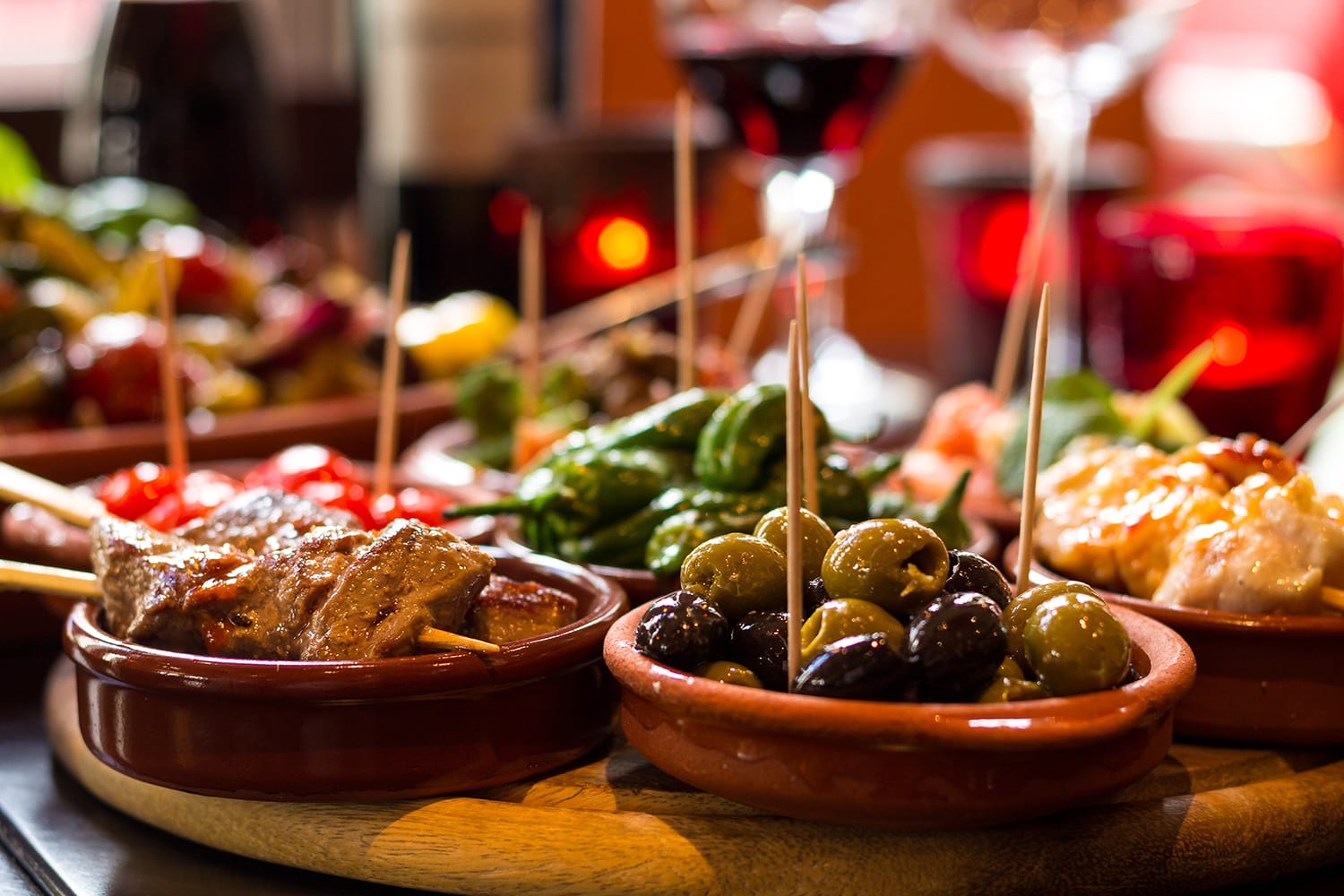
Seville's food culture is rooted in centuries of Moorish influence, agricultural abundance, and a social dining tradition that turns meals into communal rituals. The city's culinary identity centers on small-plate tapas served in traditional tascas, Iberian pork products from nearby dehesas, and cold soups designed for Andalusia's scorching summers.
Quick answer
Seville is famous for tapas culture, where small plates like jamón ibérico, salmorejo, espinacas con garbanzos, and pescaíto frito are shared in traditional bars. The city's culinary signature includes gazpacho and salmorejo (cold tomato-based soups), slow-cooked oxtail stew, fried seafood from the Cádiz coast, and desserts influenced by centuries of Moorish pastry traditions. Dining revolves around markets like Mercado de Triana and neighborhood tascas that serve local wines and sherry.
Seville produces no single dish that defines its food identity—instead, what food is Seville famous for emerges from a dining structure built on sharing, seasonality, and the social act of moving between bars. The tapas tradition originated in Andalusia as a practical solution: small plates of cured meat or olives placed atop a drink to keep flies out evolved into a culinary system where meals are assembled from multiple stops, each bar specializing in one or two signature preparations. Jamón ibérico from the nearby Sierra de Aracena anchors most tapas menus, sliced thin and served at room temperature to preserve its marbled texture. Salmorejo—a thicker, creamier variation of gazpacho—appears on summer tables as a chilled purée of tomatoes, bread, garlic, and olive oil, topped with diced jamón and hard-boiled egg. Espinacas con garbanzos, a Moorish-influenced stew of spinach, chickpeas, cumin, and paprika, reflects the city's medieval Al-Andalus roots and remains a staple in neighborhood tascas. Pescaíto frito, lightly battered and fried small fish from the Atlantic coast, arrives in paper cones at markets and beach-facing bars, eaten with lemon and coarse salt. Rabo de toro—oxtail braised in red wine until the meat falls from the bone—traces its origin to Seville's bullfighting tradition and appears on menus across the Arenal and Santa Cruz districts. Huevos a la flamenca, baked eggs with chorizo, jamón, peas, and tomato, takes its name from the bright presentation rather than any flamenco connection. Moorish pastry techniques shape Seville's dessert tradition: tocino de cielo (caramelized egg yolk flan), pestiños (honey-soaked fried dough), and torrijas (wine-soaked bread fritters) appear in convents and pastelerías, many still following recipes written by cloistered nuns in the 16th century. Sherry from the Jerez triangle—fino, manzanilla, amontillado—pairs with nearly every tapa and remains the default aperitif in traditional establishments. Understanding Seville's culinary identity requires recognizing that dining here is structured around movement and conversation rather than singular courses. Markets like Triana and Feria de la Encarnación function as open-air dining halls where vendors sell raw ingredients alongside prepared plates. The city's food culture resists translation into fixed menus or single dining experiences—it unfolds across multiple locations, each visit adding one piece to a broader mosaic of flavors rooted in Andalusian agriculture, Moorish influence, and the Mediterranean coast.
“Seville's food culture resists translation into fixed menus—it unfolds across multiple locations, each visit adding one piece to a broader mosaic of Andalusian flavors.”
Exploring the food culture of Seville is accessible throughout the week as public streets and markets remain open to visitors daily. Access to the city's culinary landscape is available at all hours.
Seville's culinary identity is built upon traditional tapas culture, where small plates showcase regional ingredients like spinach, chickpeas, and pork. Visitors can experience these flavors in historic taverns and bustling public markets throughout the city center.
restaurant
Located near Plaza de San Lorenzo, this is the oldest bar in the city, known for traditional spinach with chickpeas and Iberian ham.
market
Situated across the Isabel II Bridge, this market offers fresh local produce and artisanal snacks in a historic riverside building.
restaurant
Found near the Cathedral, this venue is widely recognized for its montadito de pringá, a slow-cooked meat sandwich.
restaurant
A family-run establishment in the El Arenal district featuring traditional wine vats and classic tapas like solomillo al whisky.
Exploring the food culture of Seville requires no admission fees, as access to public markets and dining establishments is free. Costs are entirely dependent on your personal selection of tapas and beverages at individual venues.
Verdict: A typical visitor pays 0 EUR for entry, with total costs determined solely by the food and drinks consumed.
Seville's tapas bars and restaurants follow unwritten codes that reflect centuries of social dining. Observing local customs ensures smoother service and a more authentic experience.
Everything you need to know about what food is seville famous for
Seville is famous for its vibrant tapas culture, featuring delicacies like espinacas con garbanzos, jamón ibérico, and fried fish known as pescaíto frito. You will also frequently encounter salmorejo, a chilled tomato soup topped with egg and ham, across the city. Visitors often wonder what food is seville famous for while planning their culinary itinerary. Exploring the local markets and taverns offers a true taste of Andalusia.
The best time to experience local food is during the lunch or dinner windows, specifically between 13:00 and 22:00. These hours align with the traditional Spanish schedule for enjoying small plates and social dining. Visiting during this arrival window ensures you find kitchens open and the atmosphere lively.
There is an entrance fee of 0 EUR for accessing public food markets and restaurants. Culinary exploration in the city is self-guided and based on your personal preferences for ordering. You are free to wander between different establishments throughout the day.
Yes, children are generally welcome in many traditional tapas bars, which serve as communal meeting spots for families. It is common to see locals dining with their children in the early evening hours. Ensure you check local norms, as some smaller, crowded venues may be better suited for daytime visits.
The cost of food in Seville varies widely depending on your choices, ranging from affordable tapas to more formal sit-down dinners. Because there is no set entrance fee, you have full control over your spending based on what you order. Many travelers find that ordering several small plates allows for a diverse and budget-friendly tasting experience.
While asking what food is seville famous for, vegetarians will find many delicious options such as pisto, a local vegetable ratatouille, and various cheese-based dishes. Tapas culture is flexible, allowing you to curate a meal that fits your dietary needs. Many establishments now provide clear labeling for vegetarian and vegan dishes.
Joining a food tour is a highly recommended way to explore traditional Andalusian cuisine with expert guidance. These tours help you navigate the busy local scene and identify the most authentic culinary gems. It provides a structured experience for those curious about what food is seville famous for without needing to plan every stop.
Beyond tapas, the city is known for its sweet pastries like pestiños and traditional sweets crafted by local convents. You might also encounter specialty regional wines like manzanilla or sherry. These items are integral to the broader local gastronomic identity of the region.